The customization process of LED display screens involves several key steps. Below is a detailed customization procedure that I have compiled for you.
1.Clarify requirements and objectives First of all, you need to determine the main purpose and installation environment of the LED display screen. This determines the size, shape, brightness, resolution and other characteristics of the display. Consider the viewing distance of the display, as it will affect the readability and clarity of the displayed content. For indoor or outdoor use, you also need to consider environmental factors such as lighting conditions, waterproof and dustproof features, etc. Specifically as follows:
• Application scenarios: Determine in which environment the LED display will be used, such as indoors (conference rooms, exhibition halls, shopping malls, TV stations, etc.), outdoors (public squares, building exteriors, billboards, etc.) or in special environments (stage, concerts, sports events, etc.).
• Display content: Consider whether the main content to be displayed is text, charts, static images, high-definition videos, dynamic scenes, etc.
• Viewing distance: Based on the expected distance between the audience and the screen, select an appropriate pitch (pixel pitch) to ensure clarity.
• Size specification: Measure the space dimensions at the installation location to determine the length and width of the display screen, as well as possible shapes (such as regular rectangles, irregular screens, curved screens, etc.).
• Functional Requirements: Does it need to have interactive functions, remote control, multi-screen synchronization, 3D display, naked-eye 3D, HDR and other special functions?
• Environmental factors: Consider the lighting conditions of the installation environment, climatic conditions (such as temperature, humidity, dust-proof, rain-proof, lightning-proof and other protection level requirements), power supply, installation methods (wall-mounted, suspended, embedded, etc.).
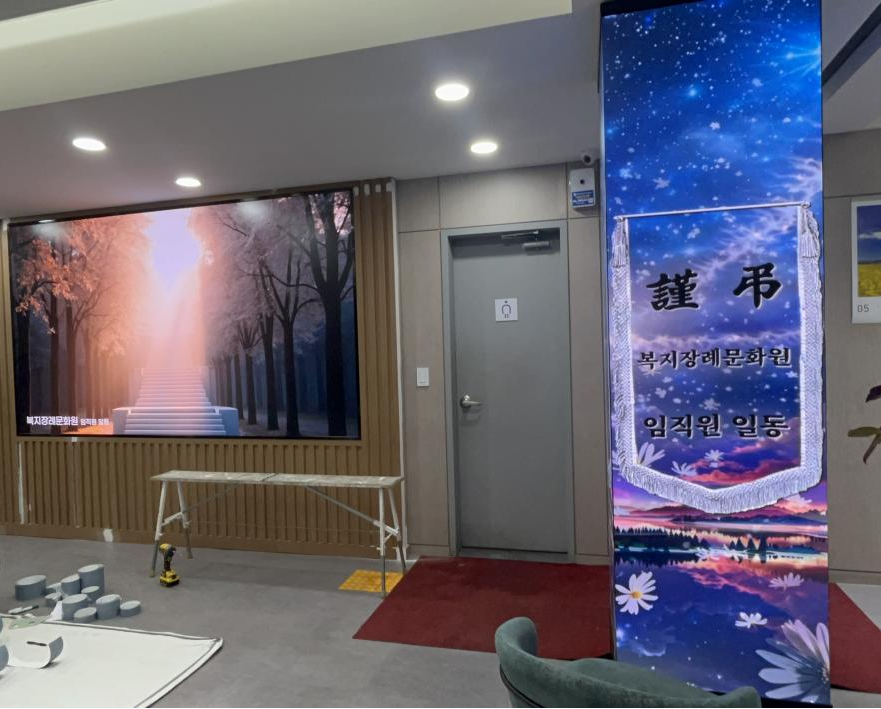
2. Selecting the Appropriate LED Screen Choose the appropriate screen size, shape and resolution according to your needs. Consider parameters such as screen brightness, contrast and color gamut to ensure a good visual experience in various environments. If you need to display high-definition videos or images, a higher resolution will provide clearer and more realistic images. Specifically as follows:
• Point spacing: Based on the viewing distance and clarity requirements, select the appropriate point spacing (such as P1.25, P2, P2.5, P3, P4, P5, P6, etc.).
• Display technology: such as SMD surface mount, COB integrated packaging, through-hole insertion, GOB packaging, Micro/Mini LED, etc.
• Screen structure: Such as conventional fixed installation screens, rental screens (quick installation and disassembly), transparent screens, flexible screens, grating screens, laminated screens, holographic screens, spherical screens, etc.
• Color type: Monochrome, Two-color, Full-color (1R1G1B, 2R1G1B, 3-in-1 SMD, etc.)
3. Unique Content Design The content of the display screen is designed based on its purpose, including images, text, animations, etc. With the assistance of professional designers, it is possible to ensure that the content not only aligns with the brand image but also is attractive. Specifically as follows:
• Communicate with LED display manufacturers: Clearly state the requirements. The suppliers will then provide a preliminary design plan based on the requirements, including the display model, size, installation method, control system, etc.
• Drawing Confirmation: Review and confirm the design drawings, renderings, and structural diagrams to ensure they are in line with the installation environment and the expected results.
• Technical Parameter Confirmation: Verify the technical indicators such as brightness, gray level, refresh rate, contrast, viewing angle, and protection level.
Consider interactivity and creativity
In order to enhance the audience's engagement and experience, interactive devices such as touch screens and sensors can be considered to be added.
Creative special effects and animations can also make the display screen more attractive.
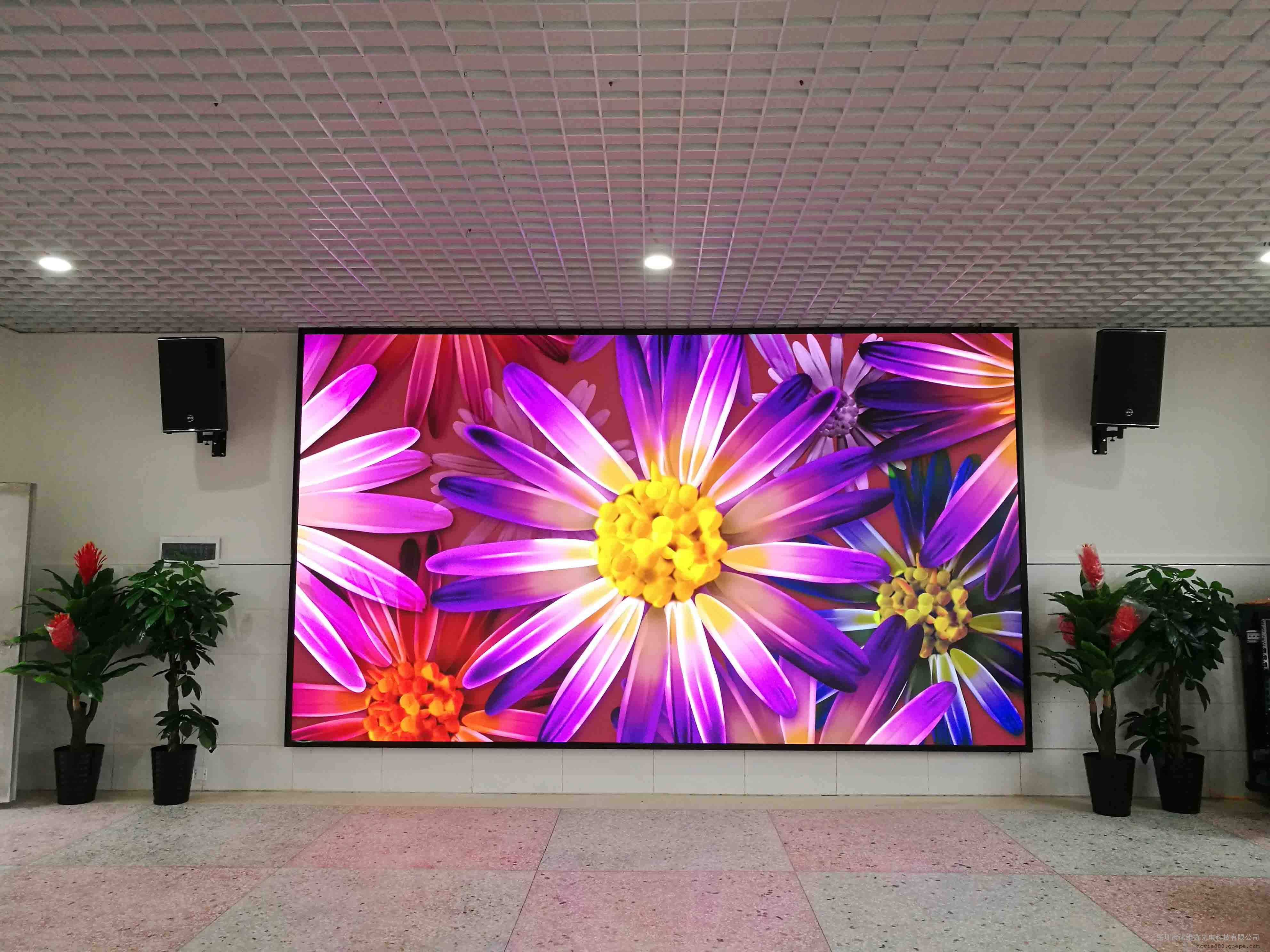
4. Select the appropriate support and installation method Based on the size of the display screen and the installation environment, select the appropriate stand and installation method.
Make sure that the display screen can be securely and stably fixed on the wall or the ground, while taking safety considerations into account.
5. Communicate with the manufacturer and customize Look for reliable manufacturers or suppliers of LED display screens, such as Lianchengfa LED display manufacturer, and communicate your requirements and customization requests with them.
Provide detailed design plans and parameters to ensure that the manufacturer can accurately understand your requirements.
Negotiate details such as prices and delivery dates with the merchants, and sign a formal contract. The supplier will carry out production according to the confirmed design plan to ensure that the product quality meets the contractual requirements.
6. Installation, Testing and Commissioning Before the official use, test and debug the customized LED display screen. Check whether the display effect, brightness, color and other parameters meet the requirements. Ensure that all functions are operating normally without any faults or problems.
Please note that when customizing LED display screens, do not solely focus on the price. High-quality products usually offer better performance and a longer lifespan. Additionally, communication with the LED display manufacturers is crucial to ensure that they can accurately understand your requirements and provide a satisfactory solution. Specifically as follows: |
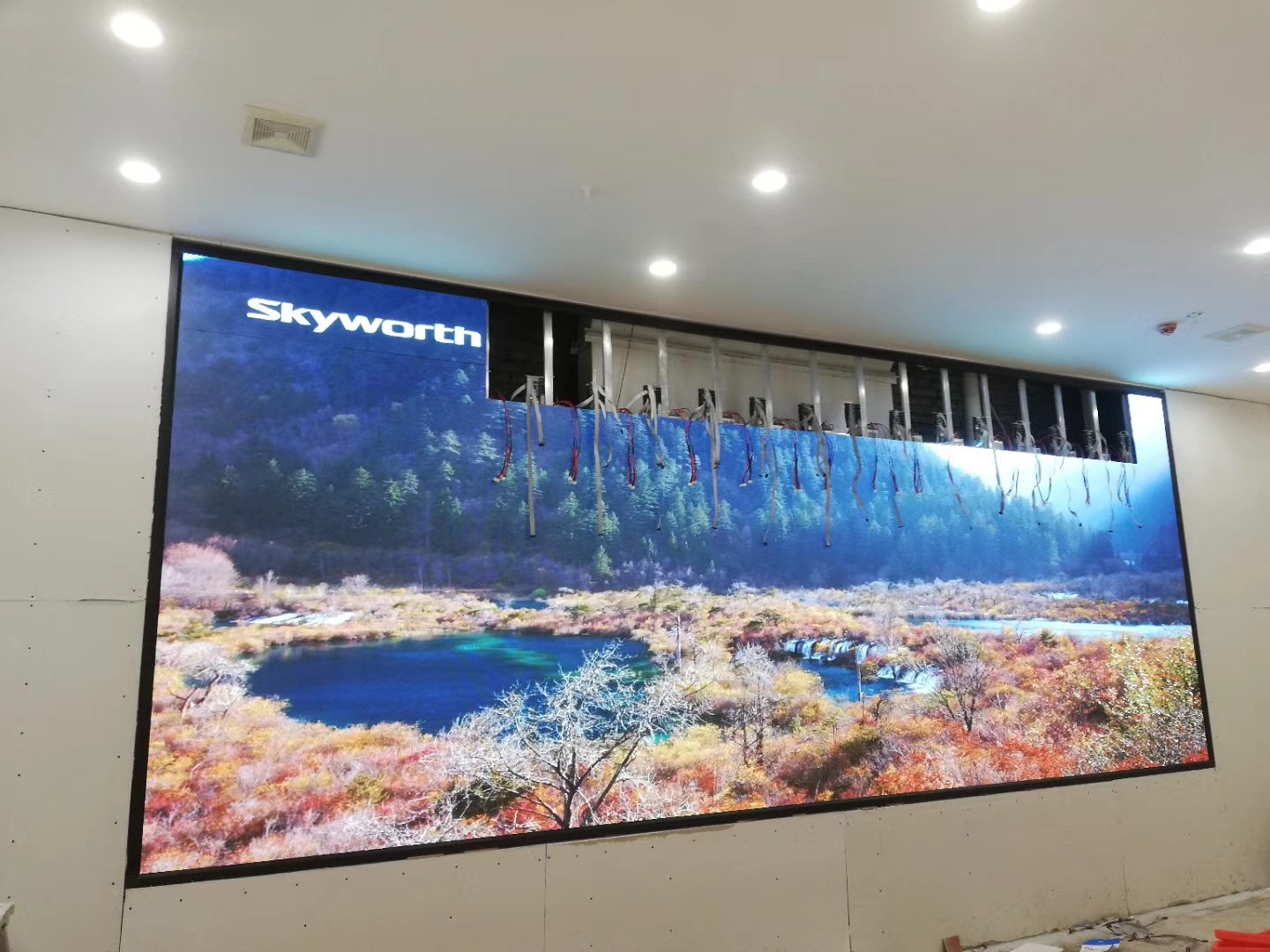
• Site inspection: The engineer went to the installation site for inspection, to confirm matters such as installation conditions, power supply, and signal connection.
• Installation and construction: Carry out the installation, wiring, and fixation of the screen according to the predetermined plan.
• System debugging: Connect the control equipment, perform system settings, color correction, brightness adjustment, and content playback tests, etc., to ensure the normal operation of the display screen.
 7. Training and Acceptance
 • Operational Training: Provide users with training on screen operation, daily maintenance, and troubleshooting.
• Project acceptance: The user conducts a comprehensive inspection of the installation effect, display effect, system stability, etc., and signs to confirm after confirming that it meets the customized requirements.
8. After-sales Service • Warranty service: The supplier offers a certain period of product warranty, including free repairs and replacement of components.
• Technical Support: Provide necessary technical support and consultation services during the warranty period or beyond the warranty period.
By following these steps, you can customize the appropriate LED display according to your own needs, and ensure that the entire process from design, production to installation and after-sales service receives professional and satisfactory services. During the customization process, maintaining good communication with the supplier is crucial to ensure that your requirements are accurately conveyed and implemented.