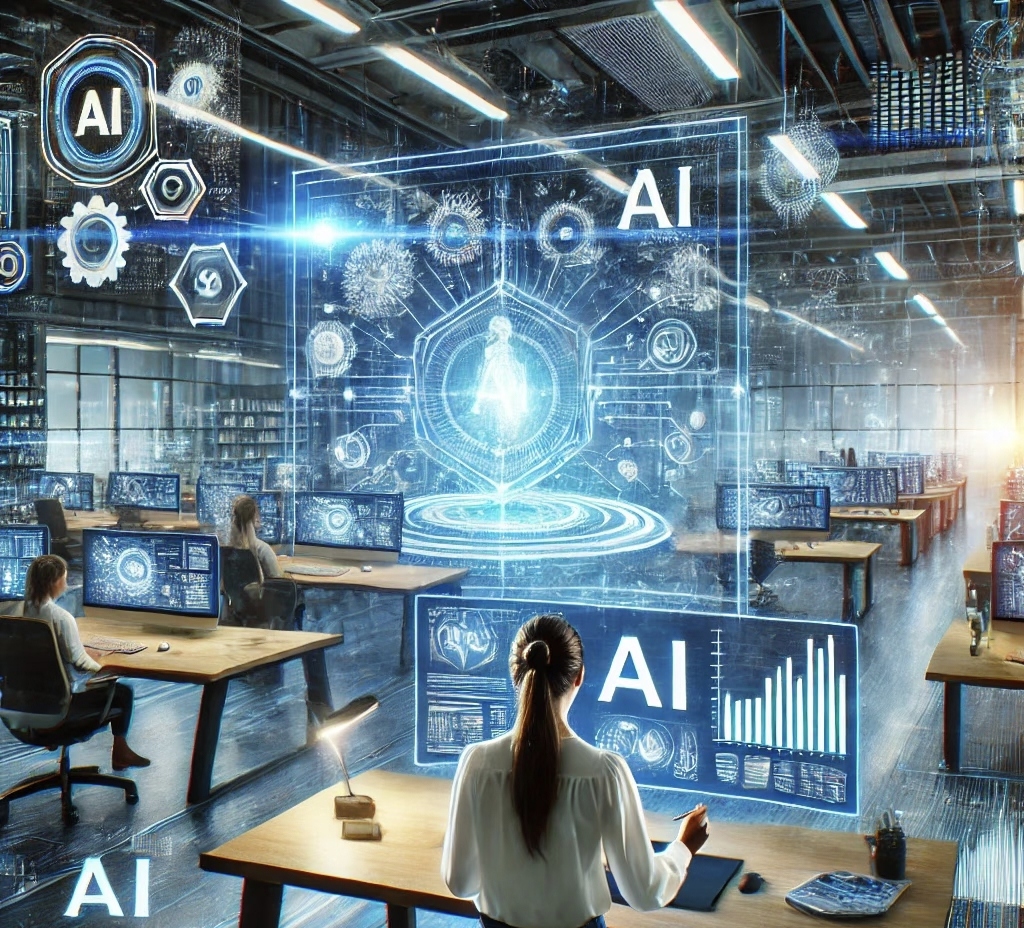
In 2026, the global LED display industry is undergoing an all-round product revolution driven by three core forces: the maturity of Mini/Micro-LED technology, the popularization of COB packaging, and in-depth AI empowerment. After years of technological accumulation and iteration, the industry has fully stepped into the fine pitch era. Traditional SMD technology is being rapidly replaced in the high-end market.
I. Technological Breakthrough: Fine Pitch Becomes Mainstream, Driven by COB and MIP
The core technological competition in the LED display industry has upgraded from simple pitch comparison to comprehensive competition in packaging technology, display quality and reliability. Boasting core advantages such as high protection level, superior heat dissipation and strong stability, COB (Chip on Board) technology has achieved a penetration rate of over 85% in the high-end fine pitch market below P1.2, becoming the mainstream choice for command centers, high-end conferences, XR virtual shooting and other professional scenarios. By directly packaging chips onto PCB substrates, this technology reaches IP65 dustproof, moistureproof and anti-collision grade, enabling 24/7 stable operation and completely solving the pain points of traditional SMD beads such as easy falling off and complicated maintenance.
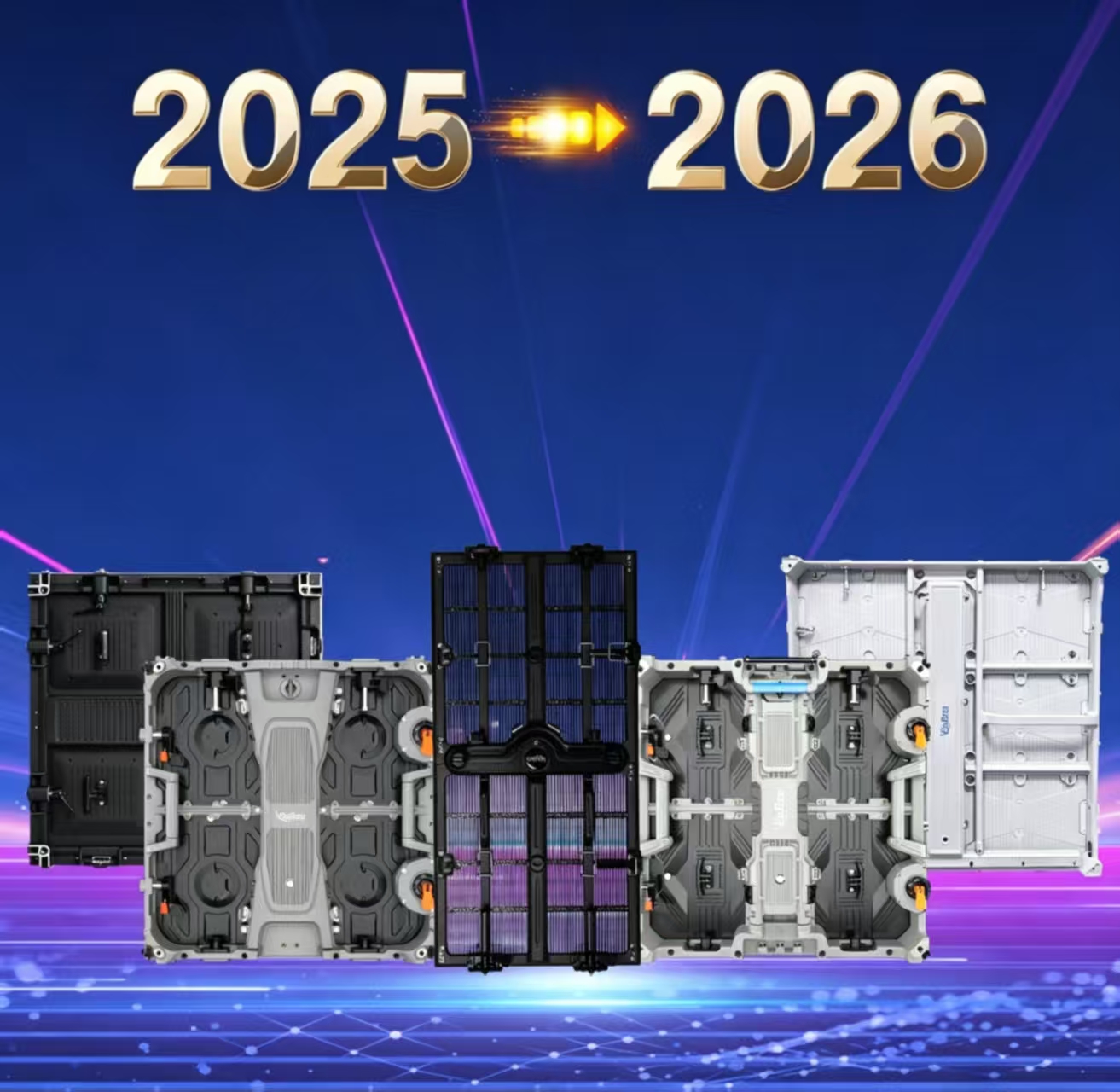
Meanwhile, MIP (Micro in Package) technology has emerged rapidly. With excellent display consistency and flexible splicing performance, it is gaining fast market traction in transparent display, holographic vision, high-end home giant screens and other fields. In 2026, fine pitch products further drop to the P0.4-P0.7 range with geometrically improved pixel density. The picture fineness, contrast ratio and color reproduction all reach cinema-level standards, closely approaching the human eye’s visual comfort limit.
At the underlying hardware level, common-cathode energy-saving drive, AI chip integration, glass-based substrates and other technologies are fully popularized. The new-generation LED screens reduce power consumption by 30%-40% while featuring slimmer body designs and lower operating temperatures. The mass transfer yield of Mini/Micro-LED has exceeded 99.99%, with continuous cost reduction clearing barriers for large-scale commercial application of the technology.
II. Form Innovation: From Bulky Display Walls to Spatial Aesthetic Carriers
Product forms are undergoing disruptive innovation, with ultra-thinness, transparency, flexibility and invisibility becoming the mainstream development direction.
- Transparent & Holographic Screens: Thickness is compressed to the 2mm level with a light transmittance exceeding 90%. The screens blend seamlessly with glass curtain walls when off, and present floating 3D holographic effects when powered on, widely applied in commercial shop windows, building media, science and technology museums and other scenarios.
- Glass-based Micro-LED: Leveraging the high stability of TFT glass substrates, it delivers 270-inch 8K seamless giant screens with independent pixel control and uniform, stable image quality, representing the pinnacle of current display technology.
- Flexible & Creative Screens: Bendable, foldable and rollable, they adapt to curved surfaces, cylinders and irregular shapes, breaking the planar limitations of traditional displays and reshaping the visual experience of cultural tourism and commercial spaces.
- Home Fine Pitch Giant Screens: 163-inch 4K Micro-LED products enter the high-end consumer market, with a peak brightness of over 10,000 nits and full coverage of the BT.2020 color gamut, setting a new benchmark for private home cinemas.
III. In-depth AI Empowerment: From Passive Display to Active Intelligent Interaction
The deep integration of AI technology and LED display has completely reconstructed the core value of products. Displays have evolved from "passive image output devices" into intelligent agents with perception, thinking capability, interactivity and independent decision-making functions.
- Intelligent Perception: Integrated vision sensors identify audience demographics, behavioral movements and ambient light in real time to realize personalized content push for different users.
- Intelligent Image Optimization: AI algorithms calibrate color, brightness and contrast in real time with pixel-level dynamic compensation, eliminating moiré patterns and color deviation.
- Multimodal Interaction: Support voice, gesture and somatosensory control, as well as automatic voice transcription, translation and minutes generation, empowering efficient collaboration in smart offices.
- Intelligent Operation & Maintenance: Automatic fault detection, early warning and repair, remote cluster management and intelligent energy consumption regulation greatly reduce maintenance costs.
IV. Scenario Explosion: Accelerated Intelligent Upgrading Across Industries
Technological innovation drives the comprehensive expansion of application scenarios, with intelligent LED displays penetrating core sectors across all industries:
- Command & Monitoring: Fine pitch COB screens have become standard equipment for control centers, featuring ultra-high definition, high stability and low latency to support all-weather intelligent decision-making.
- Smart Office: AI conference all-in-one machines have become mainstream for government and enterprises, automatically connecting to business systems and enabling full-process intelligent conferences with significantly improved efficiency.
- Commercial Retail: Accurately capturing passenger flow and dynamically pushing advertisements boosts conversion rates by over 200% compared with traditional displays.
- Digital Cultural Tourism: Holographic transparent screens and virtual studio technology create immersive experiences and reduce film and television production costs.
- Outdoor High-definition Display: P1.2-P2.5 energy-saving screens feature strong sunlight visibility, low glare and high protection, lighting up urban landmarks.
V. Industrial Leap: Value Upgrade from Hardware Sales to Ecosystem Services
The industry’s business model is shifting from single hardware sales to ecological operation featuring "Hardware + AI Algorithm + Scenario-based Solution + Operation & Maintenance Service". The focus of market competition has evolved from resolution and brightness to comprehensive strength in AI capability, scenario adaptation and ecological services.
Industry experts point out that 2026-2028 will be a critical period for the explosive growth of the AI+LED display industry. With continuous technological maturity and cost reduction, intelligent fine pitch screens will accelerate penetration into the mass market. Ubiquitous intelligent display is moving from vision to reality, becoming the core information interaction infrastructure in the digital economy era and reshaping the pattern of visual experience and industrial value.