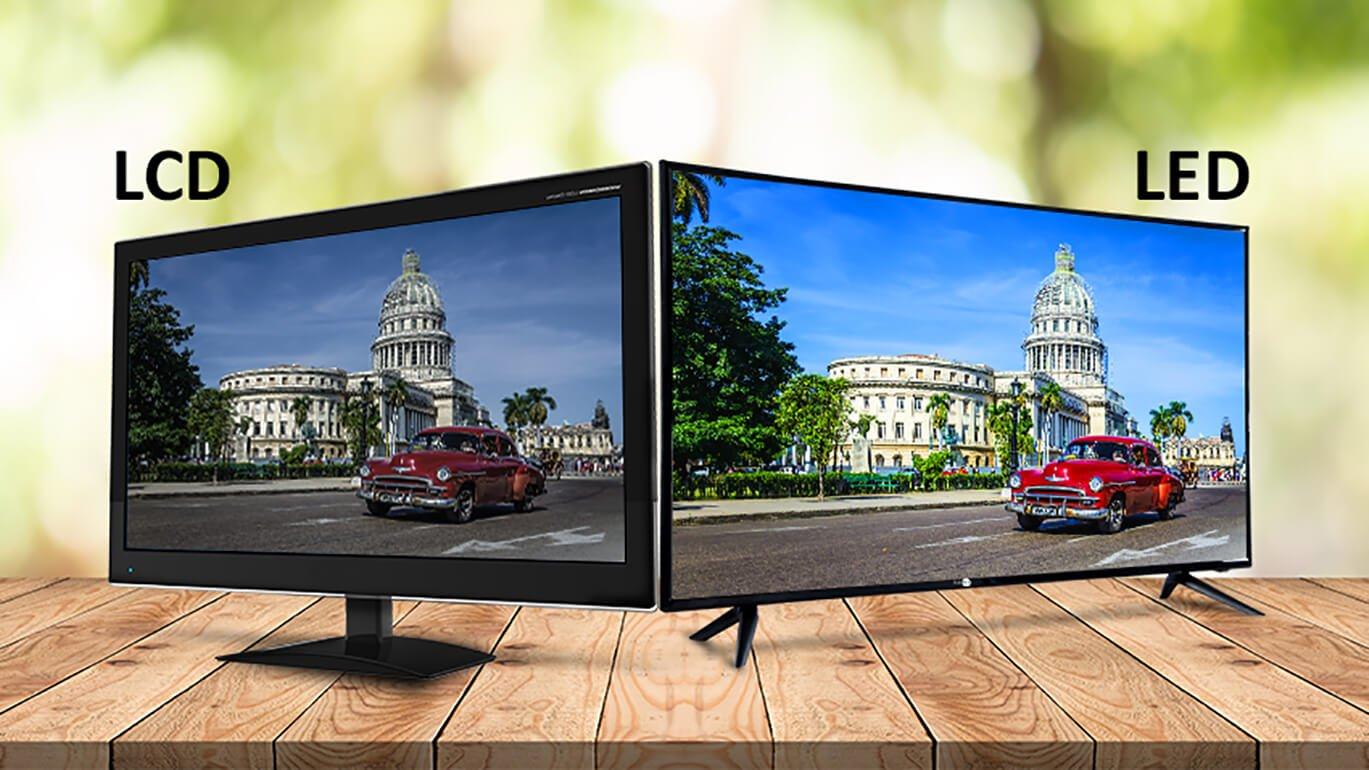
LED display and LCD display have significant differences in concept, technical characteristics and application scenarios, and each has its own merits
Concept
- LED Display: LED display, full name Light Emitting Diode Display, is a display device that uses light-emitting diodes (LED) as pixels. It displays images or text by controlling the brightness and color of each LED light. LED display has the characteristics of high brightness, high contrast, wide viewing Angle and long life.
- Liquid Crystal Display (LCD) : LCD is a display device that uses liquid crystal technology to display images. Liquid crystal display screen is mainly composed of liquid crystal layer, backlight and color filter. The image is displayed by controlling the transmittance of the liquid crystal layer, while the backlight provides the light source. Liquid crystal display has the characteristics of accurate color reproduction, wide viewing Angle and low power consumption.
Technical characteristics
- LED display:
- High brightness: The brightness of LED display is much higher than that of LCD display, which is suitable for outdoor and indoor environments with strong light.
- High contrast: LED displays have a higher contrast ratio, allowing for more vivid and realistic images.
Seamless splicing: The LED display adopts a modular design, which can achieve seamless splicing, suitable for large display projects.
- Energy saving and environmental protection: LED displays have high energy efficiency and long LED life, reducing energy consumption and waste generation.
- Energy consumption and life: relatively high, but LED lamp beads long life, the overall maintenance cost is low.
Environmental adaptability: waterproof and dust-proof, suitable for indoor and outdoor environments.
- LCD screen:
- Accurate color reproduction: LCD LCD display can accurately restore the color of the image, through the precise control of the color filter, making the display effect more realistic.
- Wide viewing Angle: Compared with other display technologies, LCD displays have a wider viewing Angle, and users can obtain relatively stable display effects at multiple angles.
- Low power consumption: LCD displays consume less power, especially at static displays, which can save energy.
- Service life: although not as good as LED display, but the life of modern technology has been greatly improved.
Viewing comfort: suitable for closer viewing, less irritating to the eyes.
Application scenarios
- 1.LED display:
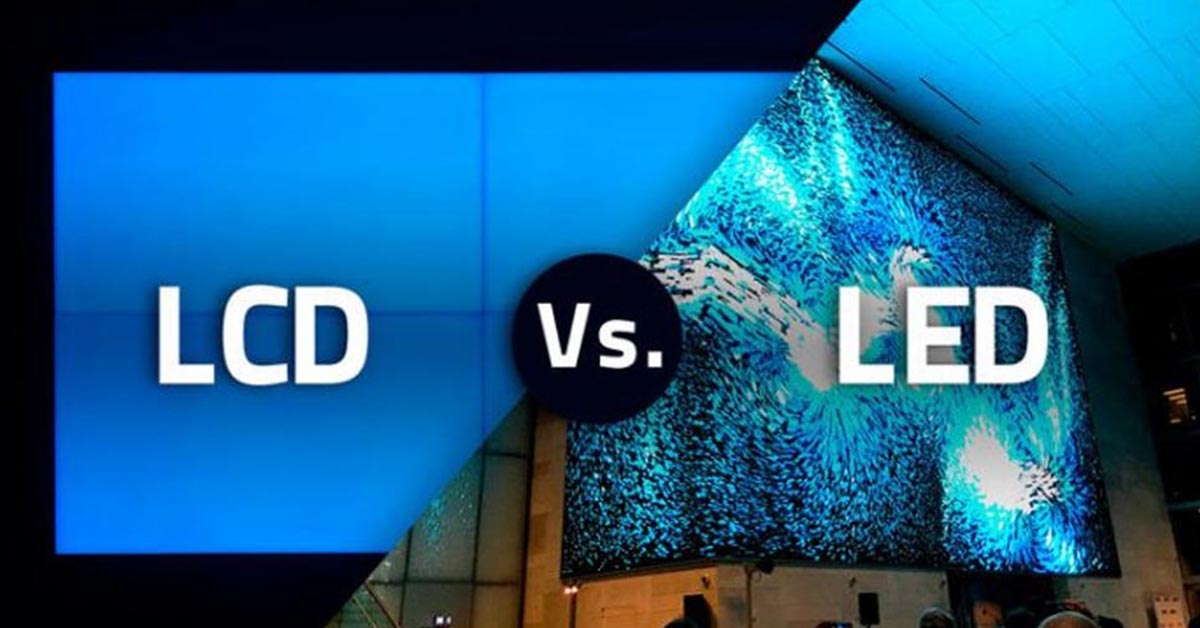
- Outdoor billboards: Because the LED display has the characteristics of high brightness, high contrast and seamless stitching, it is very suitable for outdoor billboards and large display projects.
- Sports venues: LED displays are widely used in sports venues, such as game scoreboards, billboards, etc.
- Conference rooms and business displays: LED displays also play an important role in conference rooms and business displays, which can present high-definition images and videos.
- Stage performance: LED display can also be applied to stage performances, star concerts, music festivals, electric syllables, art shows and other activity scenes.
- LCD screen:
- Television and computer monitors: LCDS are the most widely used in the field of television and computer monitors, and their high resolution, accurate color reproduction and low power consumption make them mainstream display technologies.
- Mobile phones and tablets: With the popularity of mobile devices, LCDS are also widely used in mobile phones and tablets. Its thin and high-definition characteristics meet the requirements of mobile devices for display effects.
Industrial control and medical equipment: In industrial control and medical equipment, LCD liquid crystal displays also play a key role. Its stable performance, high resolution and reliability make it ideal for monitoring and control systems.